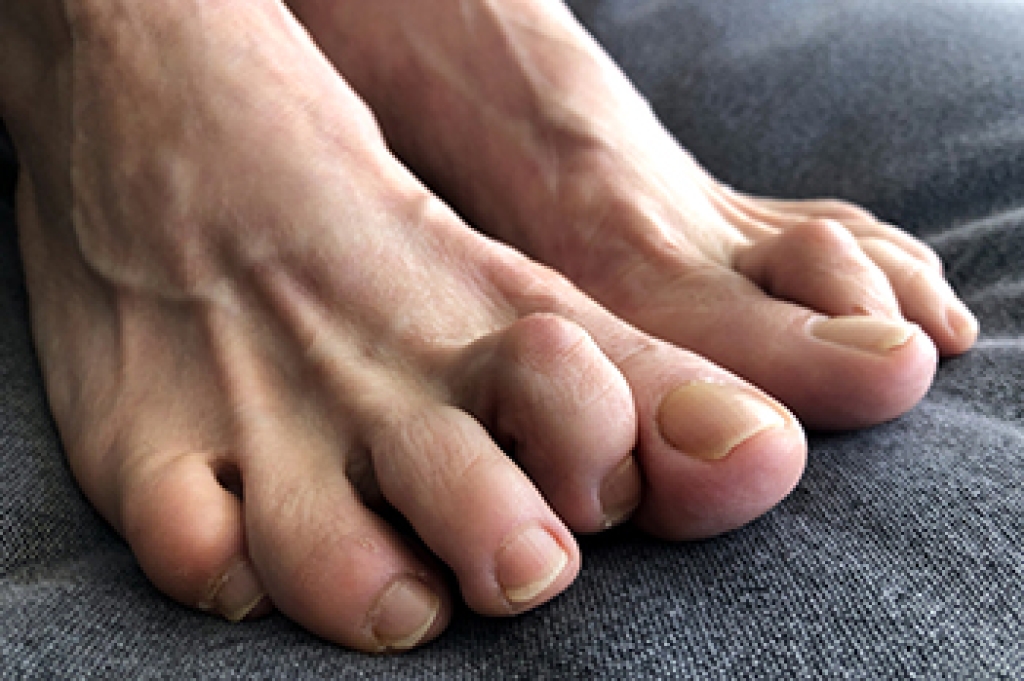
Understanding Clubfoot in Newborns and Early Childhood

Clubfoot is a congenital foot deformity that is present at birth and affects the position and structure of a baby’s foot. In this condition, the foot appears twisted downward and inward, which can make it difficult for the sole to rest flat on the ground. Clubfoot can affect one or both feet and varies in severity. It is not caused by how the baby is positioned in the womb, but rather by abnormalities in the muscles, tendons, and bones that develop before birth. Early diagnosis is important because timely treatment can significantly improve long-term function and mobility.

The symptoms of clubfoot are often visible immediately after birth. The foot may appear smaller than normal, with the heel turned inward and the arch exaggerated. The calf muscles on the affected side may also be underdeveloped. While clubfoot itself is not painful in infants, it can lead to discomfort and difficulty walking if left untreated. As a child grows, untreated clubfoot may result in abnormal walking patterns, limited range of motion, and pressure-related skin issues.

The exact cause of clubfoot is not always known, but several risk factors have been identified. Genetics can play a role, especially if there is a family history of the condition. Environmental factors during pregnancy may also contribute. Clubfoot develops as the tendons connecting the muscles to the bones are shorter and tighter than normal, which pulls the foot into an abnormal position. Boys are more commonly affected than girls, and the condition may occur alongside other developmental concerns.

Treatment typically begins shortly after birth and often includes gentle stretching, casting, and bracing to gradually correct the foot’s position. In some cases, minor surgical procedures may be needed to release tight tendons. Early intervention leads to the best outcomes and helps children achieve normal or near normal mobility. If your child has been born with clubfoot, it is suggested that you include a podiatrist on your healthcare team who can contribute to achieving optimum results.

Congenital foot problems require immediate attention to avoid future complications. If you have any concerns, contact our doctors of Foot & Ankle Center of Oklahoma. Our doctors can provide the care you need to keep you pain-free and on your feet.

Congenital foot problems are deformities affecting the feet, toes, and/or ankles that children are born with. Some of these conditions have a genetic cause while others just happen. Some specific foot ailments that children may be born with include clubfeet, polydactyly/macrodactyly, and cleft foot. There are several other foot anomalies that can occur congenitally. What all of these conditions have in common is that a child may experience difficulty walking or performing everyday activities, as well as trouble finding footwear that fits their foot deformity. Some of these conditions are more serious than others. Consulting with a podiatrist as early as possible will help in properly diagnosing a child’s foot condition while getting the necessary treatment underway.

What are Causes of Congenital Foot Problem?

A congenital foot problem is one that happens to a child at birth. These conditions can be caused by a genetic predisposition, developmental or positional abnormalities during gestation, or with no known cause.

What are Symptoms of Congenital Foot Problems?

Symptoms vary by the congenital condition. Symptoms may consist of the following:

  • Clubfoot, where tendons are shortened, bones are shaped differently, and the Achilles tendon is tight, causing the foot to point in and down. It is also possible for the soles of the feet to face each other.
  • Polydactyly, which usually consists of a nubbin or small lump of tissue without a bone, a toe that is partially formed but has no joints, or an extra toe.
  • Vertical talus, where the talus bone forms in the wrong position causing other bones in the foot to line up improperly, the front of the foot to point up, and the bottom of the foot to stiffen, with no arch, and to curve out.
  • Tarsal coalition, when there is an abnormal connection of two or more bones in the foot leading to severe, rigid flatfoot.
  • Cleft foot, where there are missing toes, a V-shaped cleft, and other anatomical differences.
  • Macrodactyly, when the toes are abnormally large due to overgrowth of the underlying bone or soft tissue.

Treatment and Prevention

While there is nothing one can do to prevent congenital foot problems, raising awareness and receiving neonatal screenings are important. Early detection by taking your child to a podiatrist leads to the best outcome possible.

If you have any questions, please feel free to contact our offices located in Oklahoma City and Yukon, OK . We offer the newest diagnostic and treatment technologies for all your foot care needs.

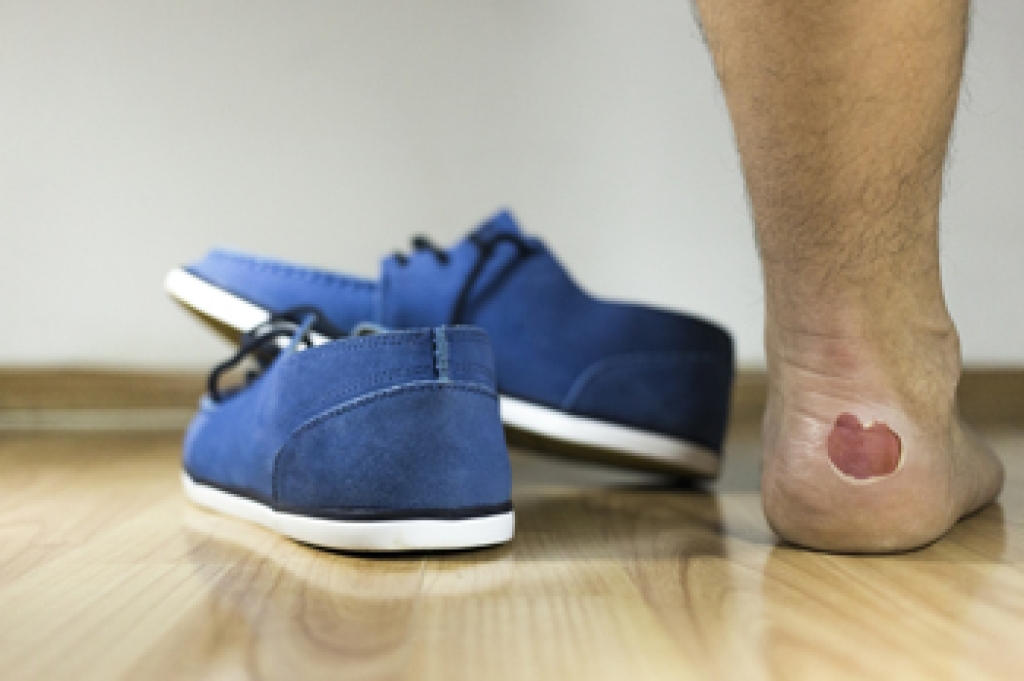
Read more about Congenital Foot Problems

How Gout Affects Foot Health

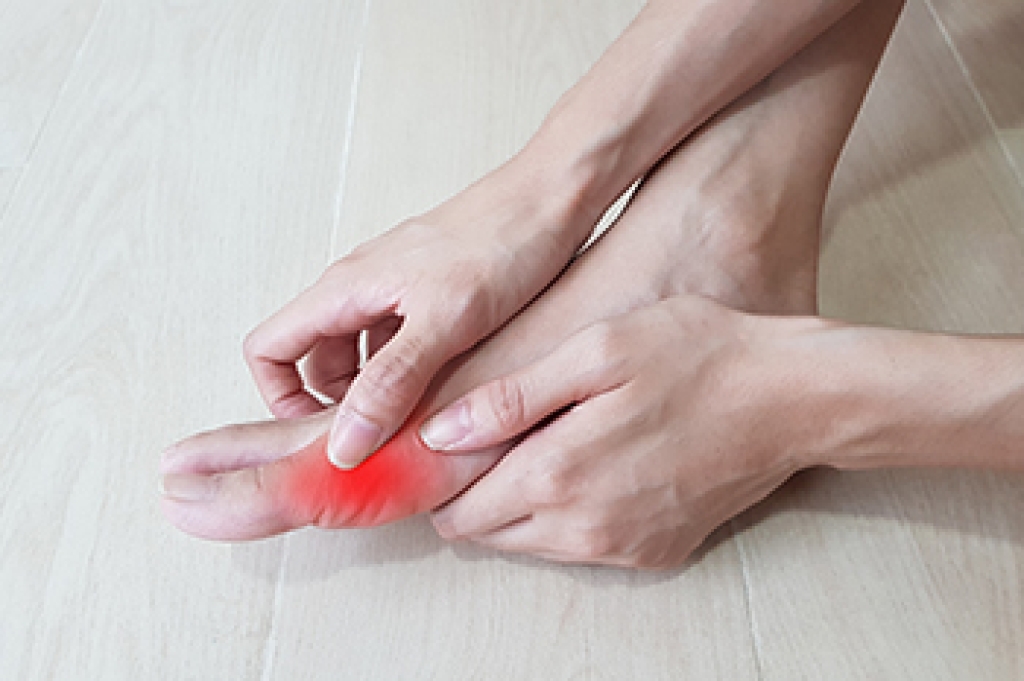
Gout is a form of inflammatory arthritis that commonly affects the feet, particularly the joint at the base of the big toe. It develops when excess uric acid in the body forms tiny crystals that collect in a joint, leading to sudden episodes of pain and inflammation. A gout flare can occur without warning, and may cause intense discomfort, swelling, redness, and warmth in the affected area. Many people describe the pain as severe enough to make walking or wearing shoes difficult. Although the big toe is the most common location, gout can also affect the ankles and other joints of the foot.

Symptoms of gout often develop quickly and may become severe within a short period of time. During a flare-up, the affected joint may become extremely tender and swollen. While symptoms can improve between episodes, recurring gout attacks may lead to ongoing joint problems, if left untreated. Certain health conditions and elevated uric acid levels can increase the likelihood of developing gout. Because several foot conditions can cause pain and swelling, obtaining an accurate diagnosis is important. Early identification of gout may help reduce the risk of joint damage and support better long-term foot health.

A podiatrist can play an important role in diagnosing and managing gout-related foot pain. After a thorough examination and diagnostic evaluation, a podiatrist can determine whether gout is the cause of symptoms and recommend appropriate treatment options. Professional care focuses on reducing the impact of gout on foot function and helping patients maintain mobility. Because gout often affects weight-bearing joints in the feet, timely treatment can help prevent symptoms from interfering with daily activities. Addressing gout early may also help reduce the risk of future complications involving the joints. If you have gout-related foot pain, it is suggested that you consult a podiatrist for an evaluation and appropriate treatment options, helping you to manage this painful condition.

Gout is a painful condition that can be treated. If you are seeking treatment, contact our doctors from Foot & Ankle Center of Oklahoma. Our doctors will treat your foot and ankle needs.

What Is Gout?

Gout is a form of arthritis that is characterized by sudden, severe attacks of pain, redness, and tenderness in the joints. The condition usually affects the joint at the base of the big toe. A gout attack can occur at any random time, such as the middle of the night while you are asleep.

Symptoms

  • Intense Joint Pain - Usually around the large joint of your big toe, and it most severe within the first four to twelve hours
  • Lingering Discomfort - Joint discomfort may last from a few days to a few weeks
  • Inflammation and Redness -Affected joints may become swollen, tender, warm and red
  • Limited Range of Motion - May experience a decrease in joint mobility

Risk Factors

  • Genetics - If family members have gout, you’re more likely to have it
  • Medications - Diuretic medications can raise uric acid levels
  • Gender/Age - Gout is more common in men until the age of 60. It is believed that estrogen protects women until that point
  • Diet - Eating red meat and shellfish increases your risk
  • Alcohol - Having more than two alcoholic drinks per day increases your risk
  • Obesity - Obese people are at a higher risk for gout

Prior to visiting your podiatrist to receive treatment for gout, there are a few things you should do beforehand. If you have gout you should write down your symptoms--including when they started and how often you experience them, important medical information you may have, and any questions you may have. Writing down these three things will help your podiatrist in assessing your specific situation so that he or she may provide the best route of treatment for you.

If you have any questions, please feel free to contact our offices located in Oklahoma City and Yukon, OK . We offer the newest diagnostic and treatment technologies for all your foot care needs.
Read more about Gout

Causes and Symptoms of Corns

Foot corns develop as a result of repeated pressure or friction on the skin. They often appear as small, thickened areas of hardened skin, usually on the toes or areas of the foot that bear excessive pressure. In podiatry, corns are considered a protective response by the body, where skin builds up to shield underlying tissues from irritation. Although they may seem minor at first, corns can become painful and interfere with daily walking, if not properly managed. Symptoms of foot corns typically include a raised, hardened bump with a dense, hardened center. The surrounding skin may feel tender or sensitive, especially when pressure is applied through walking or wearing shoes. Some people experience a sharp or burning sensation in the affected area. Corns often develop gradually, and many people first notice discomfort when wearing tight or narrow footwear. The skin may become increasingly thick and uncomfortable, making it difficult to find relief without professional care.

The primary cause of foot corns is repeated friction or pressure. This is commonly linked to ill-fitting shoes that squeeze the toes or create uneven pressure points on the foot. Wearing high-heeled shoes, tight toe boxes, and shoes without proper support can all contribute to corn formation. Toe deformities such as hammertoes or bunions can also increase friction between toes or against footwear. In addition, walking or standing for long periods of time on hard surfaces can increase the likelihood of developing corns due to constant pressure on specific areas of the foot.


Risk factors for foot corns include improper footwear, having foot deformities, and participating in activities that place repetitive stress on the feet. Individuals with diabetes or circulation issues may be at a higher risk for complications, as skin changes in the feet should be monitored closely. Without treatment, corns may continue to grow and become more painful, potentially leading to changes in gait or posture as a result of trying to avoid discomfort.


A podiatrist can diagnose foot corns through a simple physical examination and determine the underlying cause of pressure or friction. Treatment may involve removing thickened skin, recommending proper footwear, and addressing biomechanical issues that contribute to corn formation. Custom orthotics or padding may also be used to reduce pressure and prevent recurrence. If you have symptoms of a corn, it is suggested that you consult a podiatrist for effective relief solutions and prevention tips.

If you have any concerns regarding your feet and ankles, contact our doctors of Foot & Ankle Center of Oklahoma. Our doctors will treat your foot and ankle needs.

Corns: What Are They? and How Do You Get Rid of Them?
Corns can be described as areas of the skin that have thickened to the point of becoming painful or irritating. They are often layers and layers of the skin that have become dry and rough, and are normally smaller than calluses.

Ways to Prevent Corns
There are many ways to get rid of painful corns such as wearing:

  • Well-fitting socks
  • Comfortable shoes that are not tight around your foot
  • Shoes that offer support

Treating Corns
Treatment of corns involves removing the dead skin that has built up in the specific area of the foot. Consult with Our doctors to determine the best treatment option for your case of corns.

If you have any questions, please feel free to contact our offices located in Oklahoma City and Yukon, OK . We offer the newest diagnostic and treatment technologies for all your foot care needs.

Read more about Everything You Need to Know About Corns

Do You Suffer From Painful Feet?

Painful deformities, such as hammertoes, can be treated. Stop living with foot pain, and have beautiful feet again!

An Easy Stretch for Feet and Ankles

If you are an athlete, then you are likely aware of the many foot and ankle injuries one might face while participating in sports. The feet and ankles are the foundations of the body, but they undergo a lot of wear and tear during most physical activity. Because of this, it is important to stretch your feet and ankles, giving them the strength and flexibility that they need to work out. One easy stretch that you can do is standing in front of a wall and placing the toes of one foot on that wall while keeping your heel on the floor. Flex the foot and hold for 10 to 15 seconds. You should feel a stretch in your foot and calf. For more information about stretches for your foot and ankle health, it is suggested that you consult with a podiatrist today.

Stretching the feet is a great way to prevent injuries. If you have any concerns with your feet consult with our doctors from Foot & Ankle Center of Oklahoma. Our doctors will assess your condition and provide you with quality foot and ankle treatment.

Stretching the Feet

Being the backbone of the body, the feet carry your entire weight and can easily become overexerted, causing cramps and pain. As with any body part, stretching your feet can serve many benefits. From increasing flexibility to even providing some pain relief, be sure to give your feet a stretch from time to time. This is especially important for athletes or anyone performing aerobic exercises, but anyone experiencing foot pain or is on their feet constantly should also engage in this practice.

Great ways to stretch your feet:

  • Crossing one leg over the others and carefully pull your toes back. Do 10-20 repetitions and repeat the process for each foot
  • Face a wall with your arms out and hands flat against the wall. Step back with one foot and keep it flat on the floor while moving the other leg forward. Lean towards the wall until you feel a stretch. Hold for 30 seconds and perform 10 repetitions for each foot
  • Be sure not to overextend or push your limbs too hard or you could risk pulling or straining your muscle

Individuals who tend to their feet by regular stretching every day should be able to minimize foot pain and prevent new problems from arising.

If you have any questions please contact our offices located in Oklahoma City and Yukon, OK . We offer the newest diagnostic and treatment technologies for all your foot and ankle needs.

Read more about Stretching Your Feet
Advanced Podiatric Procedures & Services in the Oklahoma County, OK: Oklahoma City, Nichols Hills, The Village, Warr Acres, Del City, Midwest City, Forest Park, Spencer, Jones, Nicoma Park, Choctaw, Canadian County, OK: Yukon, El Reno, Mustang, Piedmont, Union City, Crescent, Oklahoma City, Okarche, Cleveland County, OK: Norman, Moore, Noble, Lexington, Slaughterville, Purcell, Norman’s surrounding suburbs, Grady County, OK: Tuttle, Newcastle, Minco, Blanchard, Chickasha areas