Dealing With Severe Athlete’s Foot

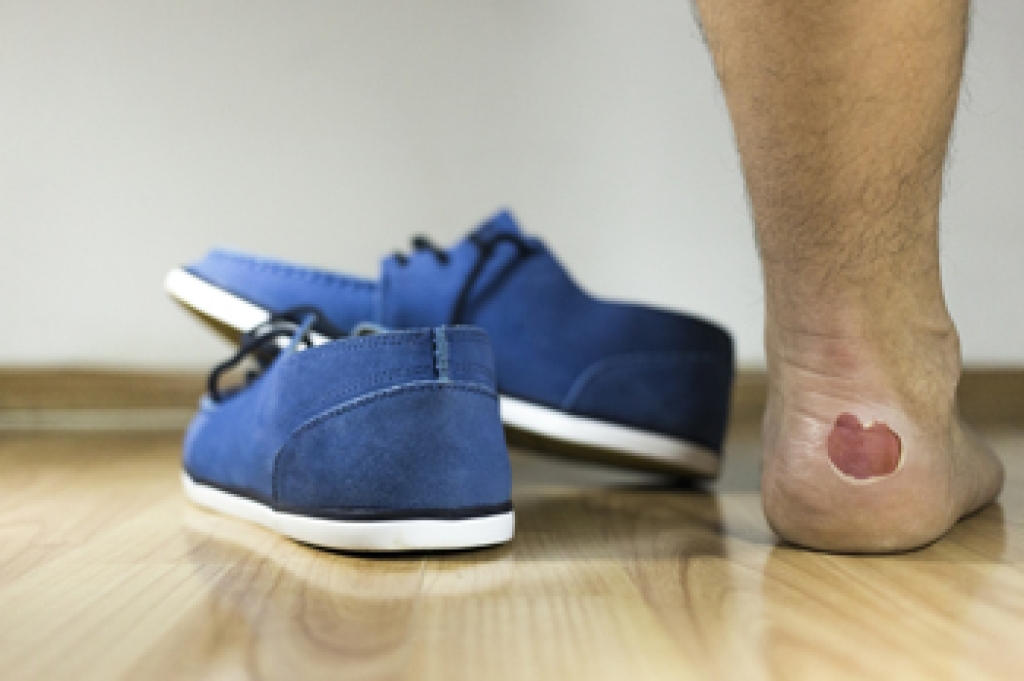
Severe athlete's foot occurs when the fungal infection causing it extends beyond the toes and affects the entire foot. This condition can result in intense itching, redness, and discomfort, often accompanied by painful blisters called vesicles, or open, pitted sores on the skin. The skin may peel, crack, or become inflamed, making it difficult to walk or wear shoes. The infection can also spread to the toenails or other areas of the foot, leading to a more persistent and severe condition. The cause of severe athlete's foot is a fungal infection that thrives in warm, moist environments. Poor foot hygiene, sweaty socks, tight shoes, and walking barefoot in certain public places can increase the risk of becoming infected. Symptoms often worsen with movement or activity, causing a burning or stinging sensation. A podiatrist can provide treatment by prescribing antifungal medication or oral treatments. They may also recommend proper foot care techniques to prevent reinfection and address any complications. If you are dealing with severe athlete’s foot, it is suggested that you make an appointment with a podiatrist for a proper diagnosis and treatment.

Athlete’s foot is an inconvenient condition that can be easily reduced with the proper treatment. If you have any concerns about your feet and ankles, contact our doctors from Foot & Ankle Center of Oklahoma.  Our doctors will treat your foot and ankle needs.

Athlete’s Foot: The Sole Story

Athlete's foot, also known as tinea pedis, can be an extremely contagious foot infection. It is commonly contracted in public changing areas and bathrooms, dormitory style living quarters, around locker rooms and public swimming pools, or anywhere your feet often come into contact with other people.

Solutions to Combat Athlete’s Foot

  • Hydrate your feet by using lotion
  • Exfoliate
  • Buff off nails
  • Use of anti-fungal products
  • Examine your feet and visit your doctor if any suspicious blisters or cuts develop

Athlete’s foot can cause many irritating symptoms such as dry and flaking skin, itching, and redness. Some more severe symptoms can include bleeding and cracked skin, intense itching and burning, and even pain when walking. In the worst cases, Athlete’s foot can cause blistering as well. Speak to your podiatrist for a better understanding of the different causes of Athlete’s foot, as well as help in determining which treatment options are best for you.

If you have any questions please feel free to contact our offices located in Oklahoma City and Yukon, OK . We offer the newest diagnostic and treatment technologies for all your foot and ankle needs.

Read more about Athlete’s Foot

Ganglion Cysts of the Foot

Ganglion cysts are fluid filled lumps that often form near joints or tendons in the foot or ankle. They develop when joint fluid leaks out and becomes trapped in a small sac, often due to irritation, overuse, injury, or changes in joint mechanics. Some cysts cause no symptoms, while others lead to aching pain, pressure, or nerve irritation, especially when shoes rub against the area. Treatment depends on discomfort and location. Options include monitoring the cyst, modifying footwear, or using padding to reduce pressure. If symptoms persist, a podiatrist may drain the cyst or recommend a minor procedure to remove it and reduce recurrence. A podiatrist can also evaluate foot structure and movement patterns that may contribute to cyst formation, helping improve comfort, mobility, and long-term foot health. If you think you might have a ganglion cyst, it is suggested that you see a podiatrist for a proper diagnosis and treatment.

Foot Pain

Foot pain can be extremely painful and debilitating. If you have a foot pain, consult with our doctors from Foot & Ankle Center of Oklahoma. Our doctors will assess your condition and provide you with quality foot and ankle treatment.

Causes

Foot pain is a very broad condition that could be caused by one or more ailments. The most common include:

  • Bunions
  • Hammertoes
  • Plantar Fasciitis
  • Bone Spurs
  • Corns
  • Tarsal Tunnel Syndrome
  • Ingrown Toenails
  • Arthritis (such as Gout, Rheumatoid, and Osteoarthritis)
  • Flat Feet
  • Injury (from stress fractures, broken toe, foot, ankle, Achilles tendon ruptures, and sprains)
  • And more

Diagnosis

To figure out the cause of foot pain, podiatrists utilize several different methods. This can range from simple visual inspections and sensation tests to X-rays and MRI scans. Prior medical history, family medical history, and any recent physical traumatic events will all be taken into consideration for a proper diagnosis.

Treatment

Treatment depends upon the cause of the foot pain. Whether it is resting, staying off the foot, or having surgery; podiatrists have a number of treatment options available for foot pain.

If you have any questions, please feel free to contact our offices located in Oklahoma City and Yukon, OK . We offer the newest diagnostic and treatment technologies for all your foot care needs.

Read more about Foot Pain

Why Live with Pain and Numbness in Your Feet?

Suffering from this type of pain? You may have the foot condition known as Morton's neuroma. Morton's neuroma may develop as a result of ill-fitting footwear and existing foot deformities. We can help.

How Sciatica Can Cause Foot Pain

Foot pain linked to sciatica occurs when the sciatic nerve, which extends from the lower back to the feet, becomes compressed or irritated. This compression disrupts nerve signals, causing pain that can radiate into the heel, arch, or toes. People often notice tingling, burning, or numbness on the top or bottom of the foot, and some experience weakness when standing on their toes or lifting the front of the foot. The discomfort can worsen when walking, wearing shoes that lack adequate support, or standing for long periods. A podiatrist can evaluate whether the source of pain is nerve-related or due to another foot condition, such as plantar fasciitis or tarsal tunnel syndrome. Diagnostic imaging and nerve testing can help confirm the cause. Treatment may involve orthotics, shoe adjustments, or surgery if nerve compression is severe. If you have symptoms of sciatica-related foot pain, it is suggested that you make an appointment with a podiatrist for a diagnosis and suggested treatment.

When dealing with systemic disease of the feet, it is extremely important to check the affected areas routinely so that any additional problems are caught quickly.  If you have any concerns about your feet and ankles contact our doctors from Foot & Ankle Center of Oklahoma. Our doctors will assist you with all of your podiatric needs.

Systemic Diseases of the Feet

Systemic diseases affect the whole body, and symptoms usually are displayed in the feet. This condition can make a patient’s ability to walk unbearable.  Systemic diseases include gout, diabetes mellitus, neurological disorders, and arthritis.

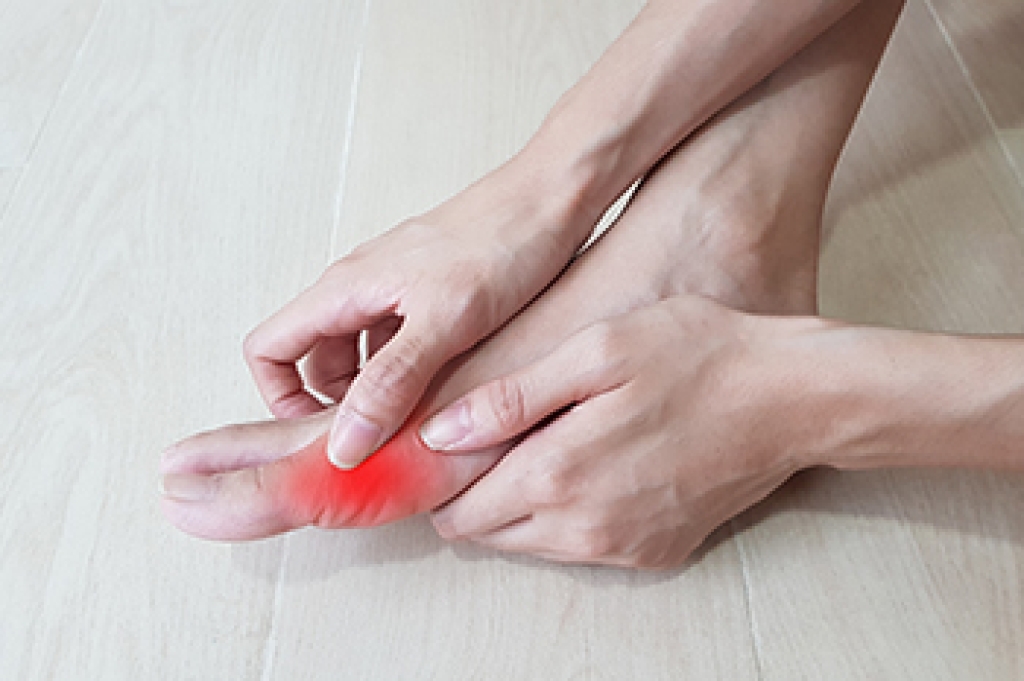
Gout – is caused by an excess of uric acid in the body. Common symptoms include pain, inflammation, and redness at the metatarsal/phalangeal joint of the base big toe. Gout can be treated by NSAIDs to relieve pain and inflammation, and other drugs that lower the acid levels in the body.

Diabetes mellitus – is an increase in the level of blood sugar that the body cannot counteract with its own insulin. Failure to produce enough insulin is a factor in Diabetes.

Diabetes of the Feet

Diabetic Neuropathy – may lead to damaged nerves and affect the feet through numbness and loss of sensation.

Peripheral Vascular Disease – can restrict the blood flow to the feet, and often times lead to amputation of the feet. 

If you have any questions please contact our offices located in Oklahoma City and Yukon, OK . We offer the newest diagnostic and treatment technologies for all your foot and ankle needs.

Read more about Systemic Diseases of the Foot

Common Foot Problems in Older Adults

As people age, gradual changes in foot structure can lead to discomfort and reduced mobility in the feet and ankles. Loss of natural padding on the soles, joint stiffness, reduced muscle strength, and flattening of the arches can place added stress on bones and soft tissue. Problems that develop over time include arthritis in the many joints of the feet, bunions that shift toe alignment, and hammertoes. Corns, calluses, fungal nail problems, heel pain, and acquired flatfoot caused by weakened tendons may also arise. These issues can affect balance and walking patterns, increasing strain on the feet during daily activity as well as the risk of falls. A podiatrist can evaluate changes in alignment, joint motion, skin health, and circulation. This foot doctor may then recommend appropriate treatment or surgery, when needed, to address long-term problems and protect foot function. If you are an older adult experiencing foot problems, it is suggested that you make an appointment with a podiatrist for a diagnosis and options for advanced treatment.

Proper foot care is something many older adults forget to consider. If you have any concerns about your feet and ankles, contact our doctors from Foot & Ankle Center of Oklahoma. Our doctors can provide the care you need to keep you pain-free and on your feet.

The Elderly and Their Feet

As we age we start to notice many changes in our body, but the elder population may not notice them right away. Medical conditions may prevent the elderly to take notice of their foot health right away. Poor vision is a lead contributor to not taking action for the elderly.

Common Conditions 

  • Neuropathy – can reduce feeling in the feet and can hide many life-threatening medical conditions.
  • Reduced flexibility – prevents the ability of proper toenail trimming, and foot cleaning. If left untreated, it may lead to further medical issues.
  • Foot sores – amongst the older population can be serious before they are discovered. Some of the problematic conditions they may face are:
  • Gouging toenails affecting nearby toe
  • Shoes that don’t fit properly
  • Pressure sores
  • Loss of circulation in legs & feet
  • Edema & swelling of feet and ankles

Susceptible Infections

Diabetes and poor circulation can cause general loss of sensitivity over the years, turning a simple cut into a serious issue.

If you have any questions, please feel free to contact our offices located in Oklahoma City and Yukon, OK . We offer the newest diagnostic and treatment technologies for all your foot care needs.

Read more about Taking Care of Elderly Feet
scroll to top