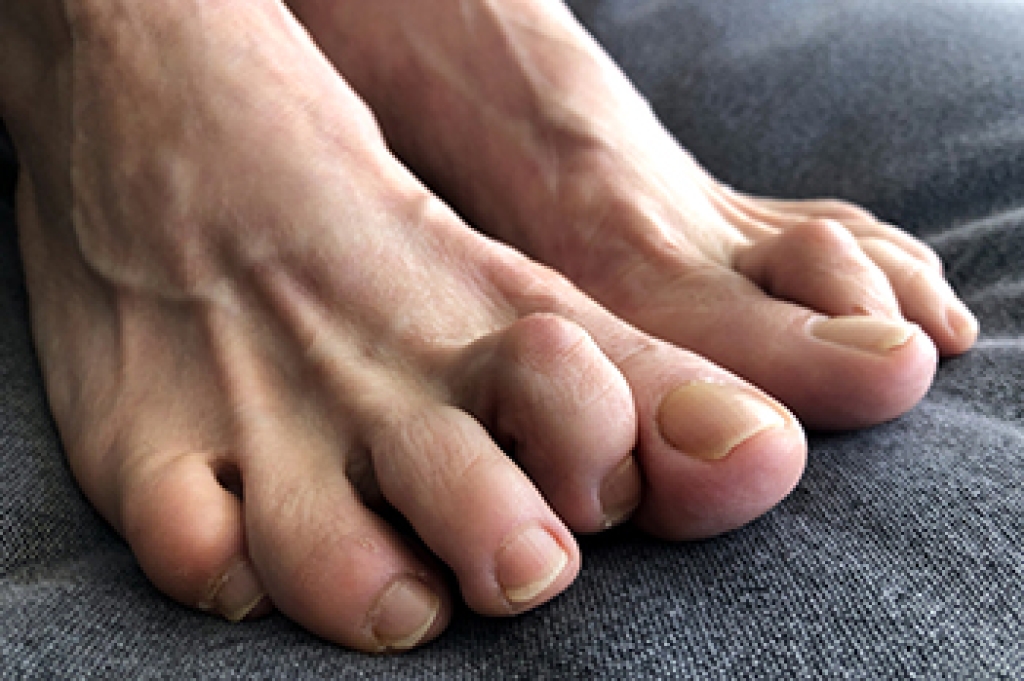
Why Live with Pain and Numbness in Your Feet?

Suffering from this type of pain? You may have the foot condition known as Morton's neuroma. Morton's neuroma may develop as a result of ill-fitting footwear and existing foot deformities. We can help.

How Sciatica Can Cause Foot Pain

Foot pain linked to sciatica occurs when the sciatic nerve, which extends from the lower back to the feet, becomes compressed or irritated. This compression disrupts nerve signals, causing pain that can radiate into the heel, arch, or toes. People often notice tingling, burning, or numbness on the top or bottom of the foot, and some experience weakness when standing on their toes or lifting the front of the foot. The discomfort can worsen when walking, wearing shoes that lack adequate support, or standing for long periods. A podiatrist can evaluate whether the source of pain is nerve-related or due to another foot condition, such as plantar fasciitis or tarsal tunnel syndrome. Diagnostic imaging and nerve testing can help confirm the cause. Treatment may involve orthotics, shoe adjustments, or surgery if nerve compression is severe. If you have symptoms of sciatica-related foot pain, it is suggested that you make an appointment with a podiatrist for a diagnosis and suggested treatment.

When dealing with systemic disease of the feet, it is extremely important to check the affected areas routinely so that any additional problems are caught quickly.  If you have any concerns about your feet and ankles contact our doctors from Foot & Ankle Center of Oklahoma. Our doctors will assist you with all of your podiatric needs.

Systemic Diseases of the Feet

Systemic diseases affect the whole body, and symptoms usually are displayed in the feet. This condition can make a patient’s ability to walk unbearable.  Systemic diseases include gout, diabetes mellitus, neurological disorders, and arthritis.

Gout – is caused by an excess of uric acid in the body. Common symptoms include pain, inflammation, and redness at the metatarsal/phalangeal joint of the base big toe. Gout can be treated by NSAIDs to relieve pain and inflammation, and other drugs that lower the acid levels in the body.

Diabetes mellitus – is an increase in the level of blood sugar that the body cannot counteract with its own insulin. Failure to produce enough insulin is a factor in Diabetes.

Diabetes of the Feet

Diabetic Neuropathy – may lead to damaged nerves and affect the feet through numbness and loss of sensation.

Peripheral Vascular Disease – can restrict the blood flow to the feet, and often times lead to amputation of the feet. 

If you have any questions please contact our offices located in Oklahoma City and Yukon, OK . We offer the newest diagnostic and treatment technologies for all your foot and ankle needs.

Read more about Systemic Diseases of the Foot

Common Foot Problems in Older Adults

As people age, gradual changes in foot structure can lead to discomfort and reduced mobility in the feet and ankles. Loss of natural padding on the soles, joint stiffness, reduced muscle strength, and flattening of the arches can place added stress on bones and soft tissue. Problems that develop over time include arthritis in the many joints of the feet, bunions that shift toe alignment, and hammertoes. Corns, calluses, fungal nail problems, heel pain, and acquired flatfoot caused by weakened tendons may also arise. These issues can affect balance and walking patterns, increasing strain on the feet during daily activity as well as the risk of falls. A podiatrist can evaluate changes in alignment, joint motion, skin health, and circulation. This foot doctor may then recommend appropriate treatment or surgery, when needed, to address long-term problems and protect foot function. If you are an older adult experiencing foot problems, it is suggested that you make an appointment with a podiatrist for a diagnosis and options for advanced treatment.

Proper foot care is something many older adults forget to consider. If you have any concerns about your feet and ankles, contact our doctors from Foot & Ankle Center of Oklahoma. Our doctors can provide the care you need to keep you pain-free and on your feet.

The Elderly and Their Feet

As we age we start to notice many changes in our body, but the elder population may not notice them right away. Medical conditions may prevent the elderly to take notice of their foot health right away. Poor vision is a lead contributor to not taking action for the elderly.

Common Conditions 

  • Neuropathy – can reduce feeling in the feet and can hide many life-threatening medical conditions.
  • Reduced flexibility – prevents the ability of proper toenail trimming, and foot cleaning. If left untreated, it may lead to further medical issues.
  • Foot sores – amongst the older population can be serious before they are discovered. Some of the problematic conditions they may face are:
  • Gouging toenails affecting nearby toe
  • Shoes that don’t fit properly
  • Pressure sores
  • Loss of circulation in legs & feet
  • Edema & swelling of feet and ankles

Susceptible Infections

Diabetes and poor circulation can cause general loss of sensitivity over the years, turning a simple cut into a serious issue.

If you have any questions, please feel free to contact our offices located in Oklahoma City and Yukon, OK . We offer the newest diagnostic and treatment technologies for all your foot care needs.


Read more about Taking Care of Elderly Feet

When Heel Pain Slows Every Step

Plantar fasciitis is one of the most common causes of heel pain and occurs when the plantar fascia becomes irritated or inflamed. The condition may not always show visible changes, but the heel can appear slightly swollen or tender to touch. It often feels like a sharp or stabbing pain in the heel or arch, especially with the first steps in the morning or after periods of rest. Pain may lessen with movement but return after long periods of standing or activity. A podiatrist can help from the start by reviewing symptoms, examining foot structure and gait, and confirming the diagnosis while ruling out other causes of heel pain. Treatment options may include stretching programs, footwear recommendations, night splints, and anti-inflammatory care. Early podiatric treatment can reduce pain, improve function, and prevent chronic symptoms. If you are dealing with heel pain, it is suggested that you make an appointment with a podiatrist. 

Plantar fasciitis is a common foot condition that is often caused by a strain injury. If you are experiencing heel pain or symptoms of plantar fasciitis, contact our doctors from Foot & Ankle Center of Oklahoma. Our doctors can provide the care you need to keep you pain-free and on your feet.

What Is Plantar Fasciitis?

Plantar fasciitis is one of the most common causes of heel pain. The plantar fascia is a ligament that connects your heel to the front of your foot. When this ligament becomes inflamed, plantar fasciitis is the result. If you have plantar fasciitis you will have a stabbing pain that usually occurs with your first steps in the morning. As the day progresses and you walk around more, this pain will start to disappear, but it will return after long periods of standing or sitting.

What Causes Plantar Fasciitis?

  • Excessive running
  • Having high arches in your feet
  • Other foot issues such as flat feet
  • Pregnancy (due to the sudden weight gain)
  • Being on your feet very often

There are some risk factors that may make you more likely to develop plantar fasciitis compared to others. The condition most commonly affects adults between the ages of 40 and 60. It also tends to affect people who are obese because the extra pounds result in extra stress being placed on the plantar fascia.

Prevention

  • Take good care of your feet – Wear shoes that have good arch support and heel cushioning.
  • Maintain a healthy weight
  • If you are a runner, alternate running with other sports that won’t cause heel pain

There are a variety of treatment options available for plantar fasciitis along with the pain that accompanies it. Additionally, physical therapy is a very important component in the treatment process. It is important that you meet with your podiatrist to determine which treatment option is best for you.

If you have any questions, please feel free to contact our offices located in Oklahoma City and Yukon, OK . We offer the newest diagnostic and treatment technologies for all your foot care needs.

 

Read more about Plantar Fasciitis

Managing Fungal Infections

Toenail fungus is a common condition caused by fungal organisms that thrive in warm, damp environments, such as shoes, locker rooms, and public showers. It often begins as a small discoloration and may look yellow, white, or brown, with nails becoming thick, brittle, crumbly, or distorted, over time. Some people notice an unpleasant odor or debris under the nail. Toenail fungus may feel uncomfortable, sensitive, or painful, especially when pressure is applied from footwear, although it can also be painful in early stages. A podiatrist can help from the start by examining the nails, confirming the diagnosis through testing when needed, and ruling out other nail disorders. Treatment options may include topical medications, professional nail care, and guidance on foot hygiene to prevent recurrence. Early treatment can improve nail appearance and comfort while limiting spread. If you have symptoms of toenail fungus, it is suggested that you schedule an appointment with a podiatrist for appropriate treatment solutions.

If left untreated, toenail fungus may spread to other toenails, skin, or even fingernails. If you suspect you have toenail fungus it is important to seek treatment right away. For more information about treatment, contact our doctors of Foot & Ankle Center of Oklahoma. Our doctors can provide the care you need to keep you pain-free and on your feet.

Symptoms

  • Warped or oddly shaped nails
  • Yellowish nails
  • Loose/separated nail
  • Buildup of bits and pieces of nail fragments under the nail
  • Brittle, broken, thickened nail

Treatment

If self-care strategies and over-the-counter medications does not help your fungus, your podiatrist may give you a prescription drug instead. Even if you find relief from your toenail fungus symptoms, you may experience a repeat infection in the future.

Prevention

In order to prevent getting toenail fungus in the future, you should always make sure to wash your feet with soap and water. After washing, it is important to dry your feet thoroughly especially in between the toes. When trimming your toenails, be sure to trim straight across instead of in a rounded shape. It is crucial not to cover up discolored nails with nail polish because that will prevent your nail from being able to “breathe”.

In some cases, surgical procedure may be needed to remove the toenail fungus. Consult with your podiatrist about the best treatment options for your case of toenail fungus.  

If you have any questions please contact our offices located in Oklahoma City and Yukon, OK . We offer the newest diagnostic and treatment technologies for all your foot and ankle needs.

Read more about Toenail Fungus
scroll to top