Understanding Gout Attacks

Gout can cause intense foot pain that appears with little warning. It develops when excess uric acid builds up in the body and forms needle-like crystals inside a joint. Uric acid is produced naturally and also comes from the breakdown of substances called purines, which are found in many foods. The kidneys normally remove uric acid from the blood. When too much remains, crystals can collect in joints and trigger inflammation. The first gout attack frequently affects the large joint of the big toe. The ankles and heels can also become painful.

A gout attack can begin suddenly, sometimes after a person goes to bed feeling fine. The affected joint can become swollen, stiff, and tender. It can also feel warm or appear red. Pain can last for hours or continue much longer. Several factors can raise the risk of gout, including family history, kidney problems, and excess body weight. Certain medications can also contribute. Foods high in purines and heavy alcohol intake can increase the risk of a flare. Without proper management, repeated gout attacks can damage joints and limit mobility.

A podiatrist can evaluate sudden foot pain and determine whether symptoms are consistent with gout or another foot problem. The examination can focus on the painful joint, swelling, and changes in movement. Because gout can resemble other forms of arthritis or a joint infection, an accurate diagnosis is important. A podiatrist can develop a treatment plan to address foot pain and protect joint function. Care can also focus on reducing pressure on painful areas and improving mobility after inflammation settles. If you have symptoms of gout, it is suggested that you are under the care of a podiatrist who can help you to manage this serious condition.  


Gout is a foot condition that requires certain treatment and care. If you are seeking treatment, contact our doctors from Foot & Ankle Center of Oklahoma. Our doctors will treat your foot and ankle needs.

What Is Gout?

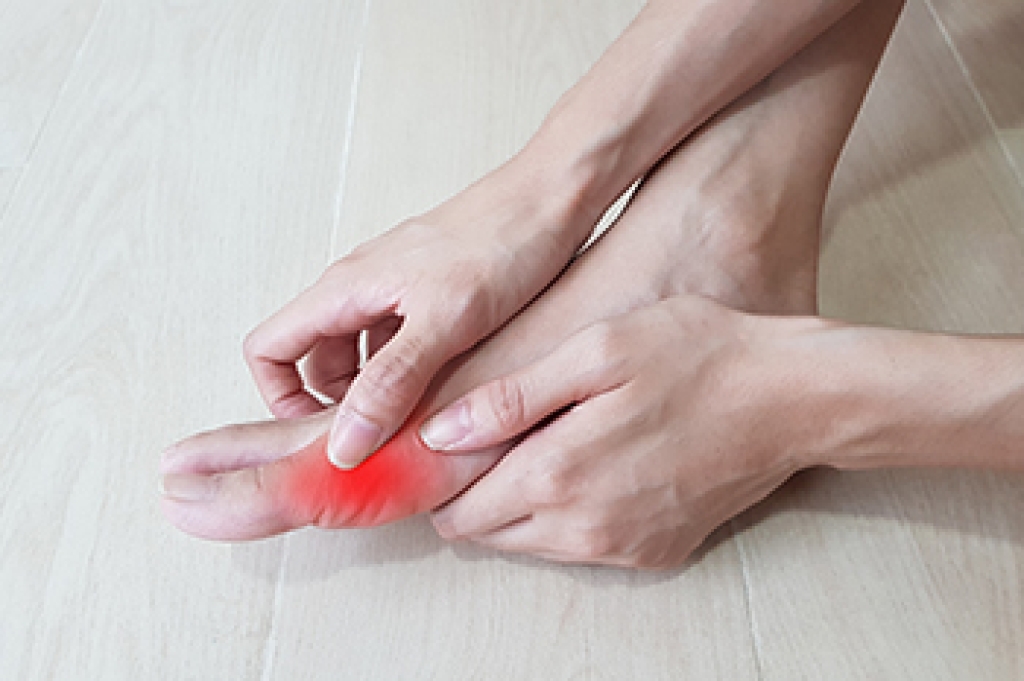
Gout is a type of arthritis caused by a buildup of uric acid in the bloodstream. It often develops in the foot, especially the big toe area, although it can manifest in other parts of the body as well. Gout can make walking and standing very painful and is especially common in diabetics and the obese.

People typically get gout because of a poor diet. Genetic predisposition is also a factor. The children of parents who have had gout frequently have a chance of developing it themselves.

Gout can easily be identified by redness and inflammation of the big toe and the surrounding areas of the foot. Other symptoms include extreme fatigue, joint pain, and running high fevers. Sometimes corticosteroid drugs can be prescribed to treat gout, but the best way to combat this disease is to get more exercise and eat a better diet.

If you have any questions, please feel free to contact our offices located in Oklahoma City and Yukon, OK . We offer the newest diagnostic and treatment technologies for all your foot care needs.

Read more about Everything You Need to Know About Gout

Big Toe Fusion for Severe Joint Pain

Big toe fusion is a surgical procedure used to treat severe arthritis in the main joint of the big toe. This joint plays an important role in walking because it helps the foot push off the ground with each step. Arthritis can damage the joint surfaces, causing pain, stiffness, and reduced movement. When symptoms become severe and other treatment options have not provided enough relief, surgery may be considered. During big toe fusion, the damaged joint surfaces are removed, and the bones are positioned together so they can heal as one solid structure. This stops painful movement within the arthritic joint.


The procedure is designed to reduce pain and provide a more stable big toe. Metal screws or a plate may be used to hold the bones in the correct position while they join together. Because the joint is permanently fused, it will no longer bend normally after surgery. However, the end joint of the big toe can still move. Most people are able to return to normal walking once healing is complete. The procedure may also help improve the position of a severely deformed big toe. As with any surgery, possible complications can occur, including infection, nerve irritation, or problems with the bones joining together.


A podiatrist can evaluate ongoing big toe joint pain and determine whether arthritis or another foot problem is affecting movement. The evaluation can help determine whether surgical treatment, including big toe fusion, may be appropriate. A podiatrist can explain how the procedure affects joint movement and discuss what to expect during recovery. The decision to have foot surgery depends on the severity of the arthritis and its effect on everyday activities. If severe big toe pain or stiffness is making walking increasingly difficult, it is suggested that you consult a podiatrist for an evaluation and appropriate treatment options.

In certain cases, in which the patient suffers from extreme pain or damage in a joint, joint replacement surgery may be deemed useful. If you have constant pain in a foot joint, consult with our doctors from Foot & Ankle Center of Oklahoma. Our doctors will assess your condition and provide you with quality foot and ankle treatment.

What Is Joint Replacement Surgery?

Over time, joints wear down; this can be exacerbated by diseases and conditions. Joint replacement surgery, also known as arthroplasty, is when a damaged joint is surgically removed and replaced with a prosthesis. Prostheses, which can be made of ceramic, plastic, or metal, act as joints in lieu of an actual joint. One of the most prevalent causes for joint replacement is arthritis.

Arthritis in the Foot

Arthritis can occur in any joint in the body, including in the feet. Common types of arthritis in the foot are osteoarthritis, rheumatoid arthritis, and gout. The big toe is usually where arthritis occurs in the foot; this is known as hallux rigidus.

Joint Replacement Surgery in the Foot

The most common form of joint replacement in the foot is a first metatarsophalangeal (MTP) joint placement. MTP joint replacement surgery is designed to treat hallux rigidus. Surgery is not intensive, and recovery occurs within one to two months after the procedure has been done. Overall, joint replacement surgery is a safe and effective way to treat pain in the joint of the foot.

If you have any questions, please feel free to contact our offices located in Oklahoma City and Yukon, OK . We offer the newest diagnostic and treatment technologies for all your foot care needs.
Read more about Joint Replacement Surgery

It's Time for Beautiful Feet

You don't need an excuse to have beautiful nails. Step outside without worrying about the appearance of your feet.

Athlete’s Foot Symptoms and Why Treatment Matters

Athlete’s foot is a fungal infection that affects the skin of the feet. It is caused by fungi called dermatophytes, which thrive in warm, damp environments. The infection can develop between the toes, along the soles, or on other areas of the foot. Common symptoms include itching, burning, and cracked skin. Some people may also develop small blisters or soreness. Although athlete’s foot is usually manageable, untreated infections can spread to the toenails or other areas of the body.

There are several ways a person may develop athlete’s foot. Walking barefoot in damp public areas can increase exposure to fungi. Wearing sweaty shoes and socks for long periods creates an environment where fungal organisms thrive. Sharing footwear, socks, or towels with someone who has a fungal infection can also increase the risk. Athletes may be particularly vulnerable because sports often involve sweating, shared facilities, and prolonged periods in enclosed shoes. Other risk factors include excessive foot sweating, minor skin damage, and keeping the feet damp after bathing or exercise.


A podiatrist can diagnose athlete’s foot by examining the affected skin and reviewing symptoms. In some cases, a small skin sample may be tested to confirm a fungal infection when the diagnosis is uncertain. The podiatrist may recommend an appropriate antifungal medication and provide guidance about footwear and foot hygiene. If the skin is cracked or severely irritated, additional care may be needed to reduce the risk of bacterial infection. Persistent infections may require further evaluation.


Preventing athlete’s foot involves keeping the feet clean and dry and changing damp socks or shoes promptly. Patients should also avoid sharing personal items that contact the feet and should use appropriate footwear in communal wet areas. Seeking treatment early can reduce discomfort and help prevent the infection from spreading. If you have symptoms of athlete’s foot, it is suggested that you consult a podiatrist for effective relief and treatment solutions, which may include prescribed medication. 

Athlete’s Foot

Athlete’s foot is often an uncomfortable condition to experience. Thankfully, podiatrists specialize in treating athlete’s foot and offer the best treatment options. If you have any questions about athlete’s foot, consult with our doctors from Foot & Ankle Center of Oklahoma. Our doctors will assess your condition and provide you with quality treatment.

What Is Athlete’s Foot?

Tinea pedis, more commonly known as athlete’s foot, is a non-serious and common fungal infection of the foot. Athlete’s foot is contagious and can be contracted by touching someone who has it or infected surfaces. The most common places contaminated by it are public showers, locker rooms, and swimming pools. Once contracted, it grows on feet that are left inside moist, dark, and warm shoes and socks.

Prevention

The most effective ways to prevent athlete’s foot include:

  • Thoroughly washing and drying feet
  • Avoid going barefoot in locker rooms and public showers
  • Using shower shoes in public showers
  • Wearing socks that allow the feet to breathe
  • Changing socks and shoes frequently if you sweat a lot

Symptoms

Athlete’s foot initially occurs as a rash between the toes. However, if left undiagnosed, it can spread to the sides and bottom of the feet, toenails, and if touched by hand, the hands themselves. Symptoms include:

  • Redness
  • Burning
  • Itching
  • Scaly and peeling skin

Diagnosis and Treatment

Diagnosis is quick and easy. Skin samples will be taken and either viewed under a microscope or sent to a lab for testing. Sometimes, a podiatrist can diagnose it based on simply looking at it. Once confirmed, treatment options include oral and topical antifungal medications.

If you have any questions, please feel free to contact our offices located in Oklahoma City and Yukon, OK . We offer the newest diagnostic and treatment technologies for all your foot care needs.

Read more about Athlete's Foot

When Foot Cramps Require a Podiatrist Visit

A foot cramp occurs when a muscle suddenly tightens and does not relax. The arch is a frequent location, but cramping can also affect the toes or other parts of the foot. A cramp can feel like a dull ache, a hard knot, or sharp pain. It can last for seconds or several minutes. Some cramps happen after intense exercise because tired muscles can contract without warning. Others develop at night and interrupt sleep. Dehydration is another frequent cause because muscles need enough fluid to work properly. Staying hydrated is important, especially in hot weather or when exercising.

Foot cramps can also develop when the body has an imbalance of minerals that support muscle and nerve function. These minerals include potassium, sodium, and magnesium. Poor circulation can contribute because foot muscles may not receive enough oxygen and nutrients. Nerve damage linked to diabetes or a foot injury can cause cramping. Wearing tight shoes may place pressure on a nerve and worsen symptoms. Pregnancy, kidney disease, and thyroid problems are other causes. A podiatrist can evaluate cramps that are severe, happen frequently, or continue without a clear reason. Weakness, swelling, or skin redness also deserves medical attention.

A podiatrist can review the patient’s health history, activity level, and symptoms. The examination can assess circulation, nerve function, and muscle strength. The podiatrist may examine foot structure and check whether the patient’s shoes fit correctly and provide proper support. Blood tests can identify mineral imbalances or health problems that contribute to cramping. Nerve tests or imaging scans may be recommended when symptoms suggest nerve damage or another foot condition. Treatment depends on the cause and can involve changes in exercise, custom-fitted orthotics, or guidance on choosing better-fitting shoes. If you have frequent foot cramps, it is suggested that you schedule an appointment with a podiatrist for a diagnosis and appropriate treatment.

Foot Pain

Foot pain can be extremely painful and debilitating. If you have a foot pain, consult with our doctors from Foot & Ankle Center of Oklahoma. Our doctors will assess your condition and provide you with quality foot and ankle treatment.

Causes

Foot pain is a very broad condition that could be caused by one or more ailments. The most common include:

  • Bunions
  • Hammertoes
  • Plantar Fasciitis
  • Bone Spurs
  • Corns
  • Tarsal Tunnel Syndrome
  • Ingrown Toenails
  • Arthritis (such as Gout, Rheumatoid, and Osteoarthritis)
  • Flat Feet
  • Injury (from stress fractures, broken toe, foot, ankle, Achilles tendon ruptures, and sprains)
  • And more

Diagnosis

To figure out the cause of foot pain, podiatrists utilize several different methods. This can range from simple visual inspections and sensation tests to X-rays and MRI scans. Prior medical history, family medical history, and any recent physical traumatic events will all be taken into consideration for a proper diagnosis.

Treatment

Treatment depends upon the cause of the foot pain. Whether it is resting, staying off the foot, or having surgery; podiatrists have a number of treatment options available for foot pain.

If you have any questions, please feel free to contact our offices located in Oklahoma City and Yukon, OK . We offer the newest diagnostic and treatment technologies for all your foot care needs.

Read more about Foot Pain
Advanced Podiatric Procedures & Services in the Oklahoma County, OK: Oklahoma City, Nichols Hills, The Village, Warr Acres, Del City, Midwest City, Forest Park, Spencer, Jones, Nicoma Park, Choctaw, Canadian County, OK: Yukon, El Reno, Mustang, Piedmont, Union City, Crescent, Oklahoma City, Okarche, Cleveland County, OK: Norman, Moore, Noble, Lexington, Slaughterville, Purcell, Norman’s surrounding suburbs, Grady County, OK: Tuttle, Newcastle, Minco, Blanchard, Chickasha areas