The Importance of Wearing Proper Footwear in Children

Proper footwear plays an essential role in healthy foot development for children. A child’s foot contains 26 bones and 35 joints, supported by soft tissues that are still developing strength and stability. When toddlers first begin walking, many appear flat-footed or may turn their feet inward, which usually improves as the arches and muscles strengthen. Shoes should provide protection without restricting natural movement, allowing the toes to spread and the foot to flex. Properly fitted footwear should include a wide toe box, flexible sole that bends near the front, and a secure heel counter to support alignment. Shoes that lack adequate support or are too tight can interfere with walking, and contribute to ingrown toenails or abnormal gait. A podiatrist can assess the structure and function of a child’s feet, monitor growth, and recommend footwear that reduces the risk of long-term complications. If your child is experiencing foot problems, it is suggested that you schedule an appointment with a podiatrist for an exam and appropriate treatment.

The health of a child’s feet is vital to their overall well-being. If you have any questions regarding foot health, contact our doctors of Foot & Ankle Center of Oklahoma. Our doctors can provide the care you need to keep you pain-free and on your feet.

Tips for Keeping Children's Feet Healthy

  • Make sure their shoes fit properly
  • Look for any signs of in-toeing or out-toeing
  • Check to see if they have Clubfoot (condition that affects your child’s foot and ankle, twisting the heel and toes inward) which is one of the most common nonmajor birth defects.
  • Lightly cover your baby’s feet (Tight covers may keep your baby from moving their feet freely, and could prevent normal development)
  • Allow your toddler to go shoeless (Shoes can be restricting for a young child’s foot)
  • Cut toenails straight across to avoid ingrown toenails
  • Keep your child’s foot clean and dry
  • Cover cuts and scrapes. Wash any scratches with soap and water and cover them with a bandage until they’ve healed.

If you have any questions, please feel free to contact our offices located in Oklahoma City and Yukon, OK . We offer the newest diagnostic and treatment technologies for all your foot care needs.

Read more about How to Care for Your Child's Feet

Causes of Foot Blisters While Hiking

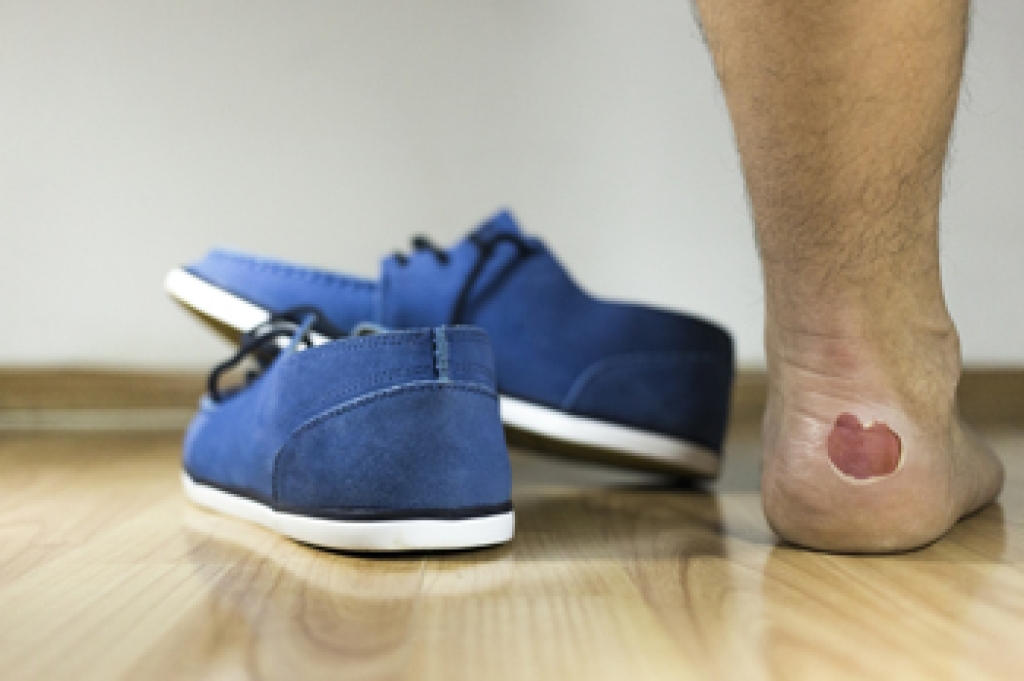
Foot blisters are fluid-filled pockets that develop when friction, heat, and moisture cause the skin to rub repeatedly against shoes or socks. During hiking, this often happens from wearing ill-fitting footwear, sweaty feet, or long periods of walking on uneven terrain. Preventing blisters starts with wearing properly fitted hiking boots, moisture-wicking socks, and keeping feet dry. Taking breaks to air out shoes and addressing any discomfort early can also help. A podiatrist can safely treat painful or infected blisters, recommend custom insoles for better support, and offer tips to prevent future irritation. If blisters or foot pain are affecting your hikes, it is suggested that you consult a podiatrist for expert care and guidance to keep your hiking adventures comfortable and blister-free.

Blisters may appear as a single bubble or in a cluster. They can cause a lot of pain and may be filled with pus, blood, or watery serum. If your feet are hurting, contact our doctors of Foot & Ankle Center of Oklahoma. Our doctors can provide the care you need to keep you pain-free and on your feet.

Foot Blisters

Foot blisters are often the result of friction. This happens due to the constant rubbing from shoes, which can lead to pain.

What Are Foot Blisters?

A foot blister is a small fluid-filled pocket that forms on the upper-most layer of the skin. Blisters are filled with clear fluid and can lead to blood drainage or pus if the area becomes infected.

Symptoms

(Blister symptoms may vary depending on what is causing them)

  • Bubble of skin filled with fluid
  • Redness
  • Moderate to severe pain
  • Itching

Prevention & Treatment

In order to prevent blisters, you should be sure to wear comfortable shoes with socks that cushion your feet and absorb sweat. Breaking a blister open may increase your chances of developing an infection. However, if your blister breaks, you should wash the area with soap and water immediately and then apply a bandage to the affected area. If your blisters cause severe pain it is important that you call your podiatrist right away.

If you have any questions, please feel free to contact our offices located in Oklahoma City and Yukon, OK . We offer the newest diagnostic and treatment technologies for all your foot care needs.

Read more about Blisters

Are You Suffering From Nerve Damage?

Neuropathy is a condition that can lead to numbness or loss of sensation in the feet, but it can also cause pain. This condition is more likely to develop for those who are diabetic, obese, or with high blood pressure.

How Being Overweight Affects Foot Health

Carrying excess body weight places continuous pressure on the feet, which can strain bones, joints, and soft tissues with every step. The arches may gradually flatten under the increased load, altering foot posture and leading to plantar fasciitis, heel pain, or toe deformities. Extra weight can also add to plantar pressure, particularly under the ball of the foot and heel, which may result in pain and changes in walking patterns. Over time, this stress can affect balance and stability, making it more difficult for the feet and ankles to support normal movement. In some cases, the toes may curl or become misaligned due to the constant pressure on the forefoot. A podiatrist can evaluate these changes, assess how weight affects your foot structure, and recommend treatment to relieve pain and improve mobility. If you experience foot or ankle pain as a result of carrying extra weight, it is suggested that you make an appointment with a podiatrist for a diagnosis and treatment options.

Obesity has become very problematic at this point in time and can have extremely negative effects on the feet. If you’re an obese individual and are concerned about your feet, contact our doctors from Foot & Ankle Center of Oklahoma. Our doctors can provide the care you need to keep you pain-free and on your feet.

Obesity and Your Feet

Since your feet are what support your entire weight when standing, any additional weight can result in pain and swelling. Being overweight is one of the main contributors to foot complications.

Problems & Complications

Extra Weight – Even putting on just a few extra pounds could create serious complications for your feet. As your weight increases, your balance and body will shift, creating new stresses on your feet. This uneven weight distribution can cause pain, even while doing the simplest tasks, such as walking.

Diabetes – People who are overweight are at serious risk of developing type-2 diabetes, which has a drastic impact on the health of your feet. As you get older, your diabetes might worsen, which could lead to loss of feeling in your feet, sores, and bruises. You could also become more prone to various infections.

Plantar fasciitis – Pressure and stress that is placed on muscles, joints, and tendons can trigger plantar fasciitis, which is an inflammation of tissue that forms along the bottom of the foot. 

If you have any questions, please feel free to contact our offices located in Oklahoma City and Yukon, OK . We offer the newest diagnostic and treatment technologies for all your foot care needs.

Read more about How Obesity Affects Your Feet

Peripheral Arterial Disease and Its Impact on the Feet

Peripheral arterial disease is a condition where the arteries that carry blood to the legs and feet become narrowed. When circulation is reduced, the feet may feel cold, wounds may heal very slowly, and walking can cause cramping or pain. The skin can sometimes appear pale, shiny, or thin due to the lack of proper blood flow. In more advanced stages, ulcers or sores may develop, which can be difficult to treat without medical attention. Lifestyle factors such as smoking, high cholesterol, and diabetes can increase the risk of this condition. Maintaining healthy habits, staying active, and protecting the feet from injury are all important for prevention. If you notice persistent leg pain, non-healing wounds, or changes in skin color, it is suggested that you seek evaluation from a podiatrist to receive timely and appropriate treatment.

Peripheral artery disease can pose a serious risk to your health. It can increase the risk of stroke and heart attack. If you have symptoms of peripheral artery disease, consult with our doctors from Foot & Ankle Center of Oklahoma. Our doctors will assess your condition and provide you with quality foot and ankle treatment.

Peripheral artery disease (PAD) is when arteries are constricted due to plaque (fatty deposits) build-up. This results in less blood flow to the legs and other extremities. The main cause of PAD is atherosclerosis, in which plaque builds up in the arteries.

Symptoms

Symptoms of PAD include:

  • Claudication (leg pain from walking)
  • Numbness in legs
  • Decrease in growth of leg hair and toenails
  • Paleness of the skin
  • Erectile dysfunction
  • Sores and wounds on legs and feet that won’t heal
  • Coldness in one leg

It is important to note that a majority of individuals never show any symptoms of PAD.

Diagnosis

While PAD occurs in the legs and arteries, Podiatrists can diagnose PAD. Podiatrists utilize a test called an ankle-brachial index (ABI). An ABI test compares blood pressure in your arm to you ankle to see if any abnormality occurs. Ultrasound and imaging devices may also be used.

Treatment

Fortunately, lifestyle changes such as maintaining a healthy diet, exercising, managing cholesterol and blood sugar levels, and quitting smoking, can all treat PAD. Medications that prevent clots from occurring can be prescribed. Finally, in some cases, surgery may be recommended.

If you have any questions, please feel free to contact our offices located in Oklahoma City and Yukon, OK . We offer the newest diagnostic and treatment technologies for all your foot care needs.

Read more about Peripheral Artery Disease
scroll to top